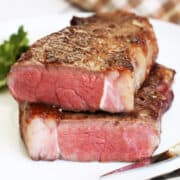
It takes longer than simply pan-frying, but the tasty, reliably juicy results are well worth it! I love steaks. I just wish they weren’t so expensive! My favorite cuts are ribeye steak and New York strip. I usually cook them in a hot cast-iron skillet until a lovely brown crust is formed on the outside and the middle is medium-rare. But whenever I have extra time, I make reverse sear steak. Yes, it requires more time commitment than my usual method. But I love the reliably juicy steaks it produces.
Ingredients
Instructions
Regular Sear vs. Reverse Sear
Recipe Card
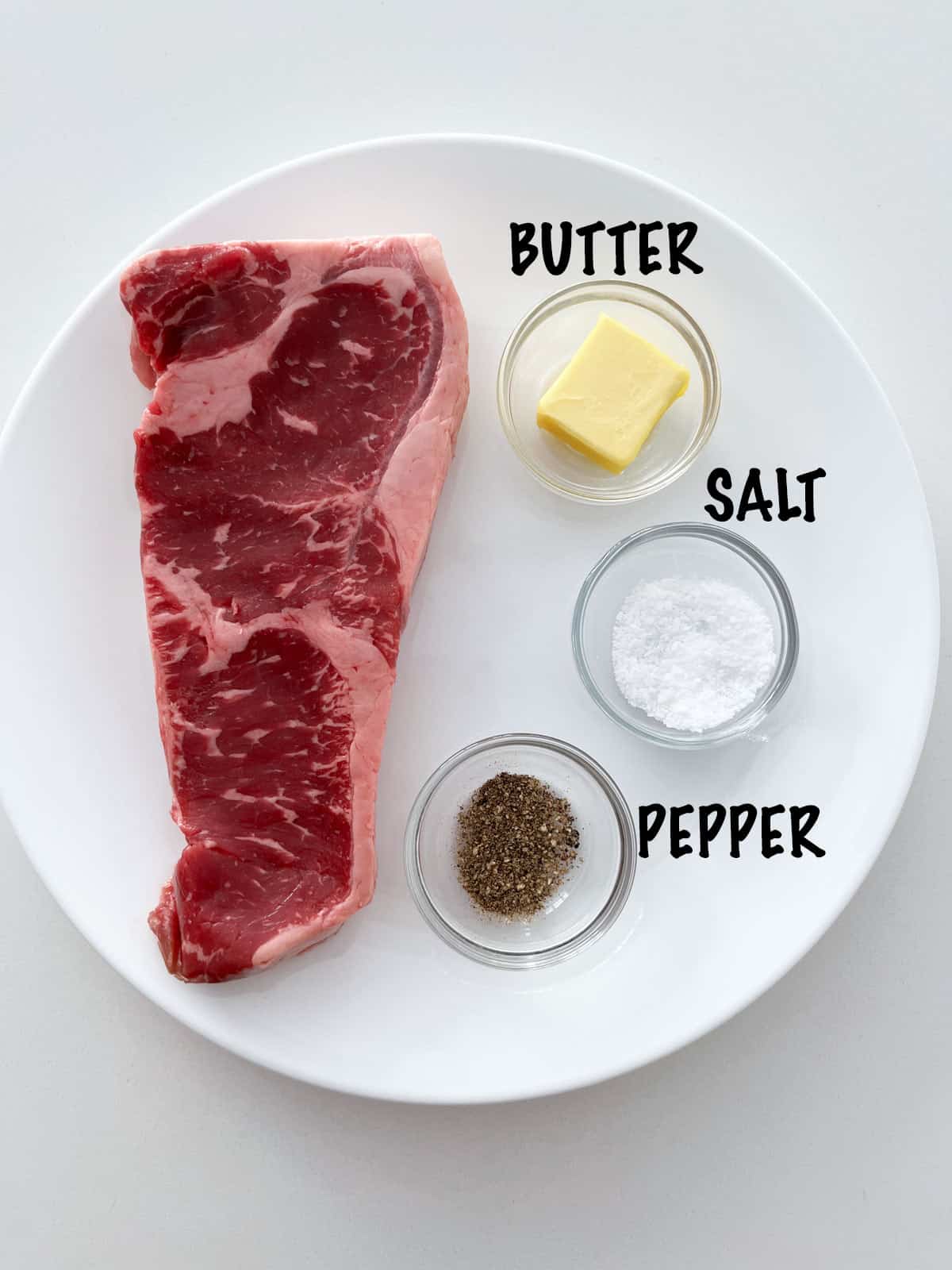
Thick steaks: This technique does not work with thin steaks - those can simply be quickly pan-fried like I do in this steak and eggs recipe. So you’ll want your steak to be at least 1 inch thick, preferably 1.5 inches. Kosher salt and black pepper: These are the only seasonings that a good steak needs. And although sea salt is very fashionable, I prefer cooking and salting my food with kosher salt. Butter: For topping the cooked steak. This is optional but delicious and highly recommended. Steakhouses always finish their steaks with a generous pat of butter, and for good reason!
The only steak I wouldn’t cook using this method is picanha steak. The thick fat cap needs good searing, so it’s best to use the traditional method when cooking this cut.
You start by preheating your oven. You want it to be at a low temperature to ensure even cooking, so set it to 275°F. You don’t need to take the steak out of the fridge in advance.
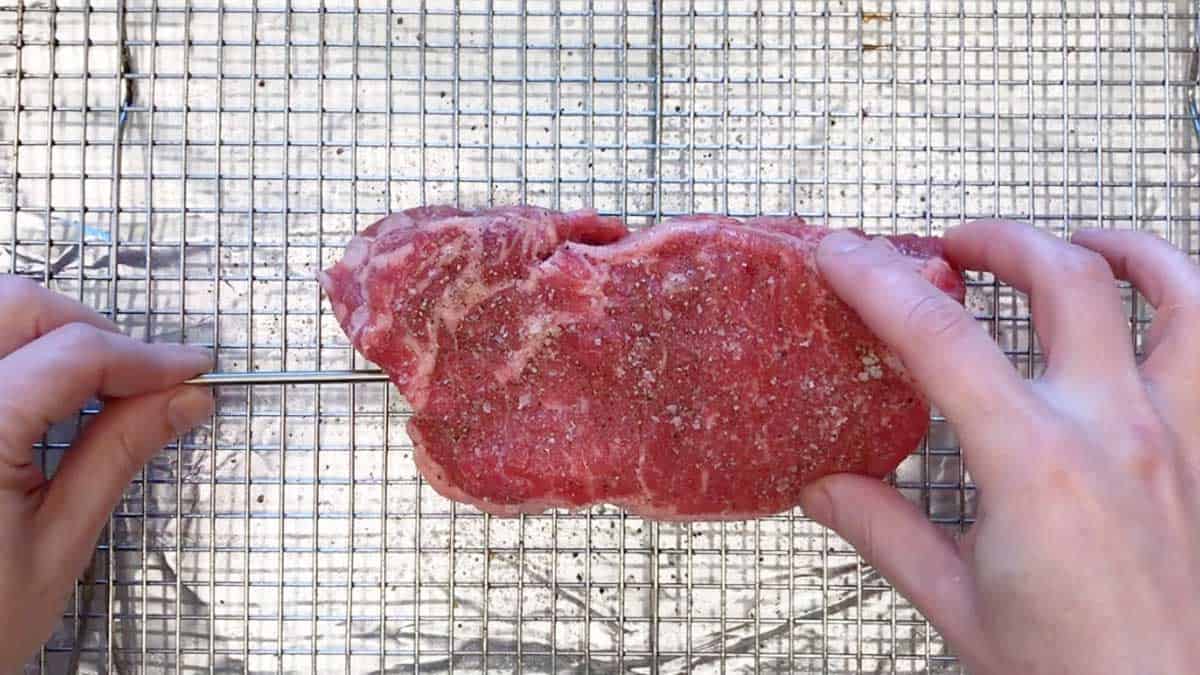
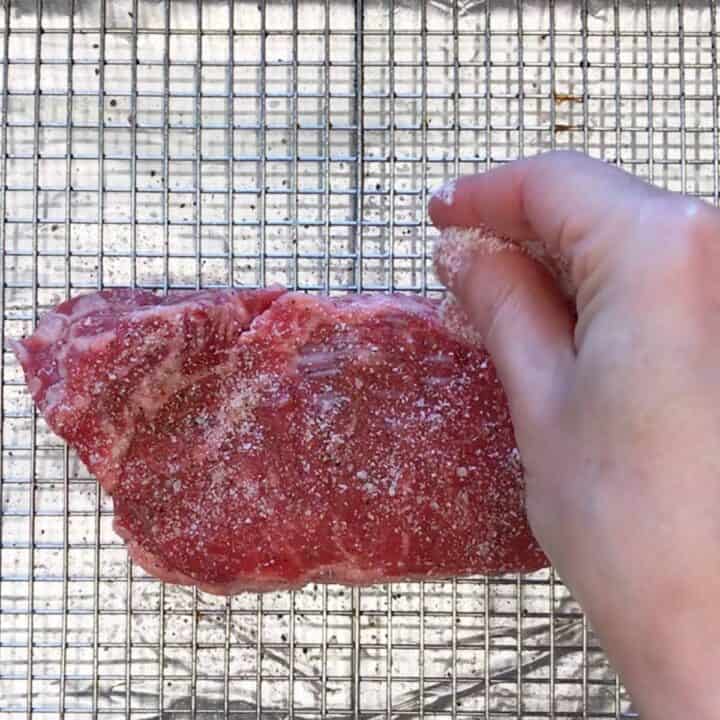
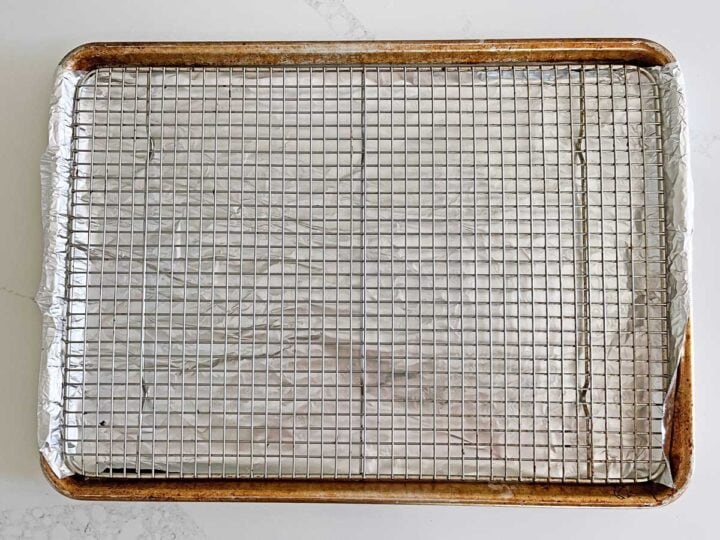
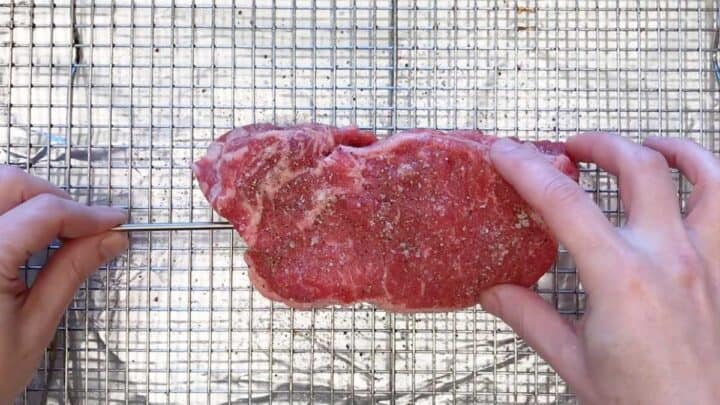
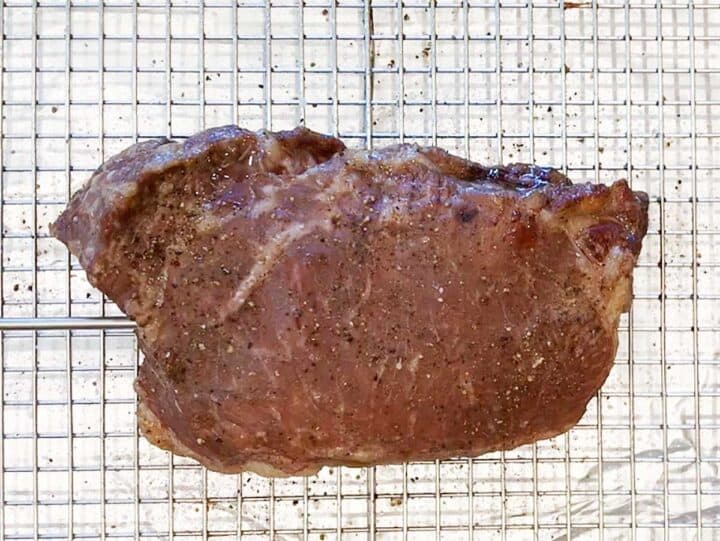
Season your steak on both sides with kosher salt and black pepper. Place the steak on a rimmed baking sheet fitted with a rack. Insert the probe of an oven-safe meat thermometer into the steak. That’s the only way to know for sure when the steak is ready for searing.
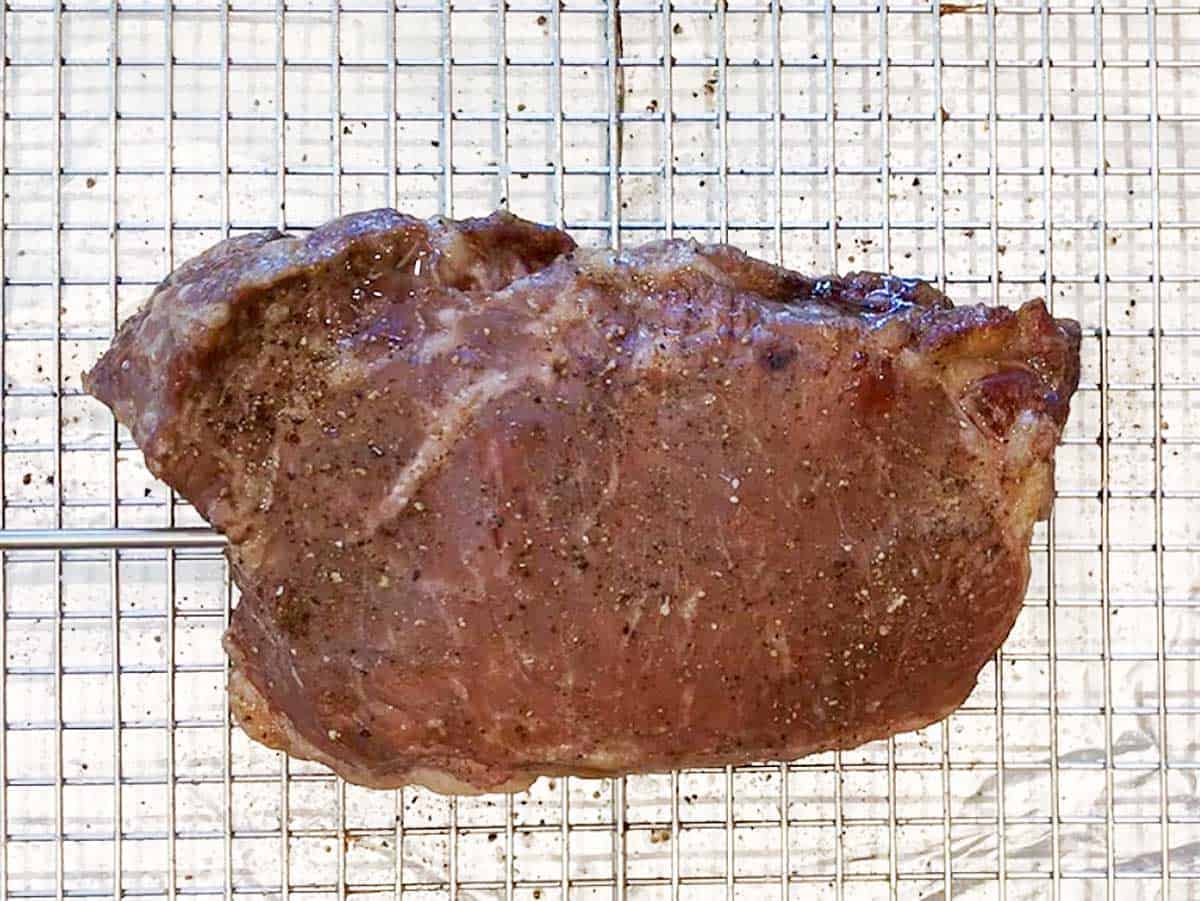
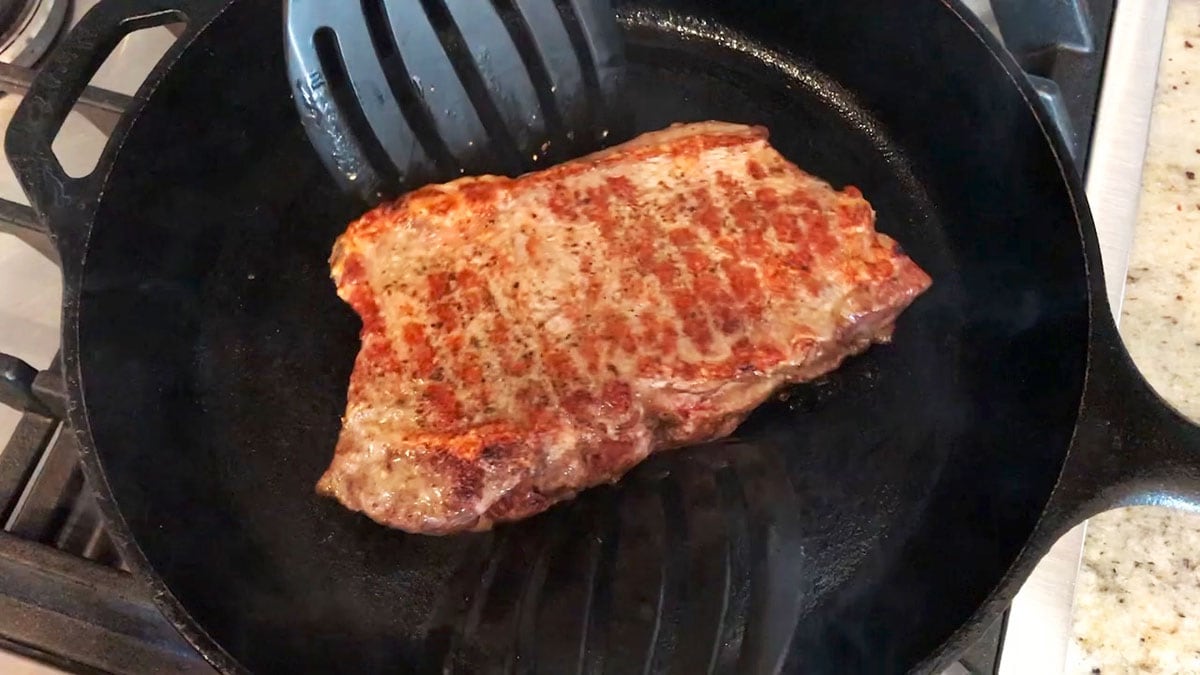
Remove the steak from the oven. Transfer it to a plate, loosely cover it with foil, and allow it to rest for 10 minutes. At this point, your steak won’t look very appetizing. No worries! You’ll soon sear it in a skillet, and then it will look great.
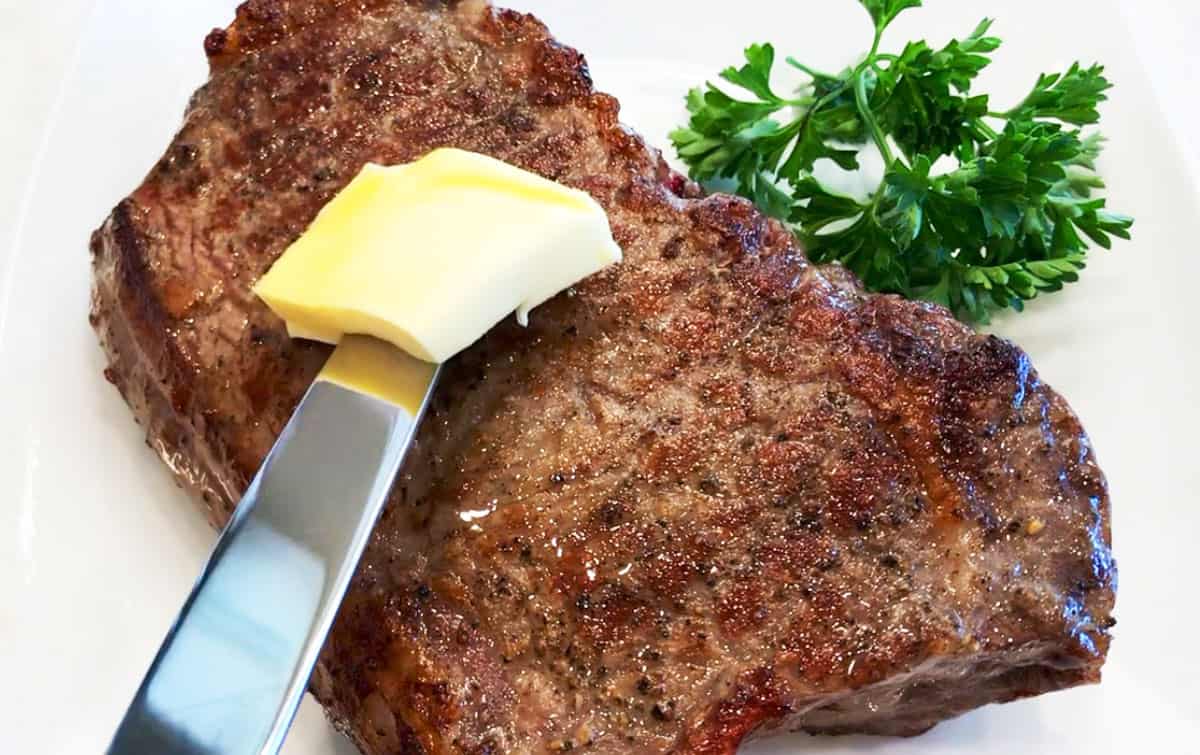
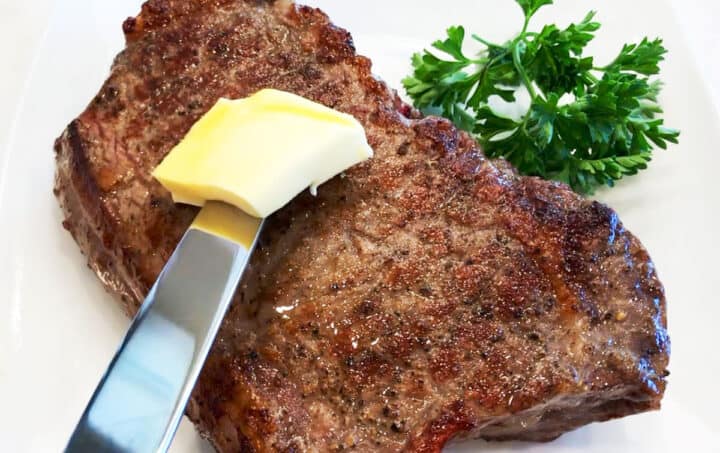
That’s it! Your perfectly cooked steak is ready. Top it with butter and serve.
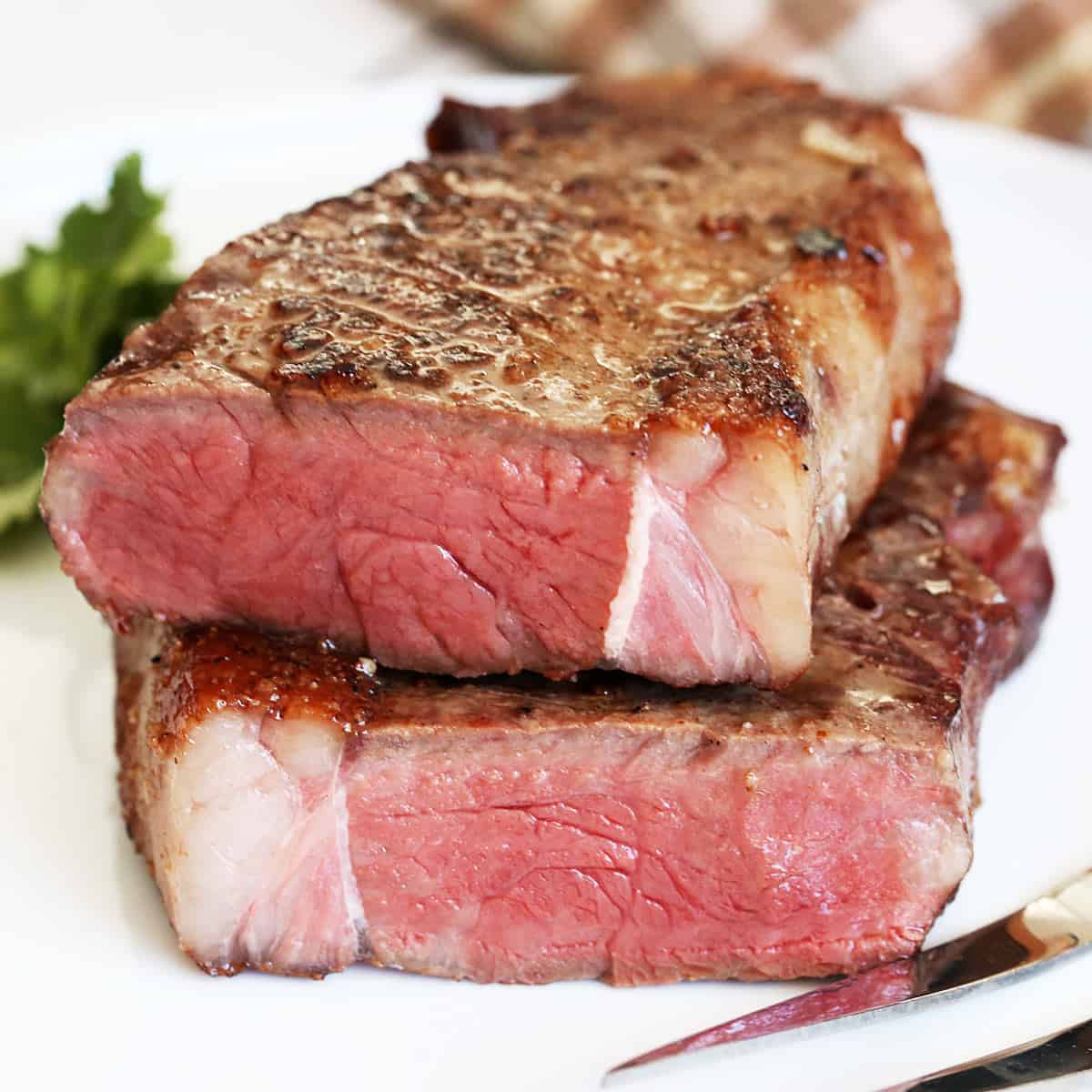
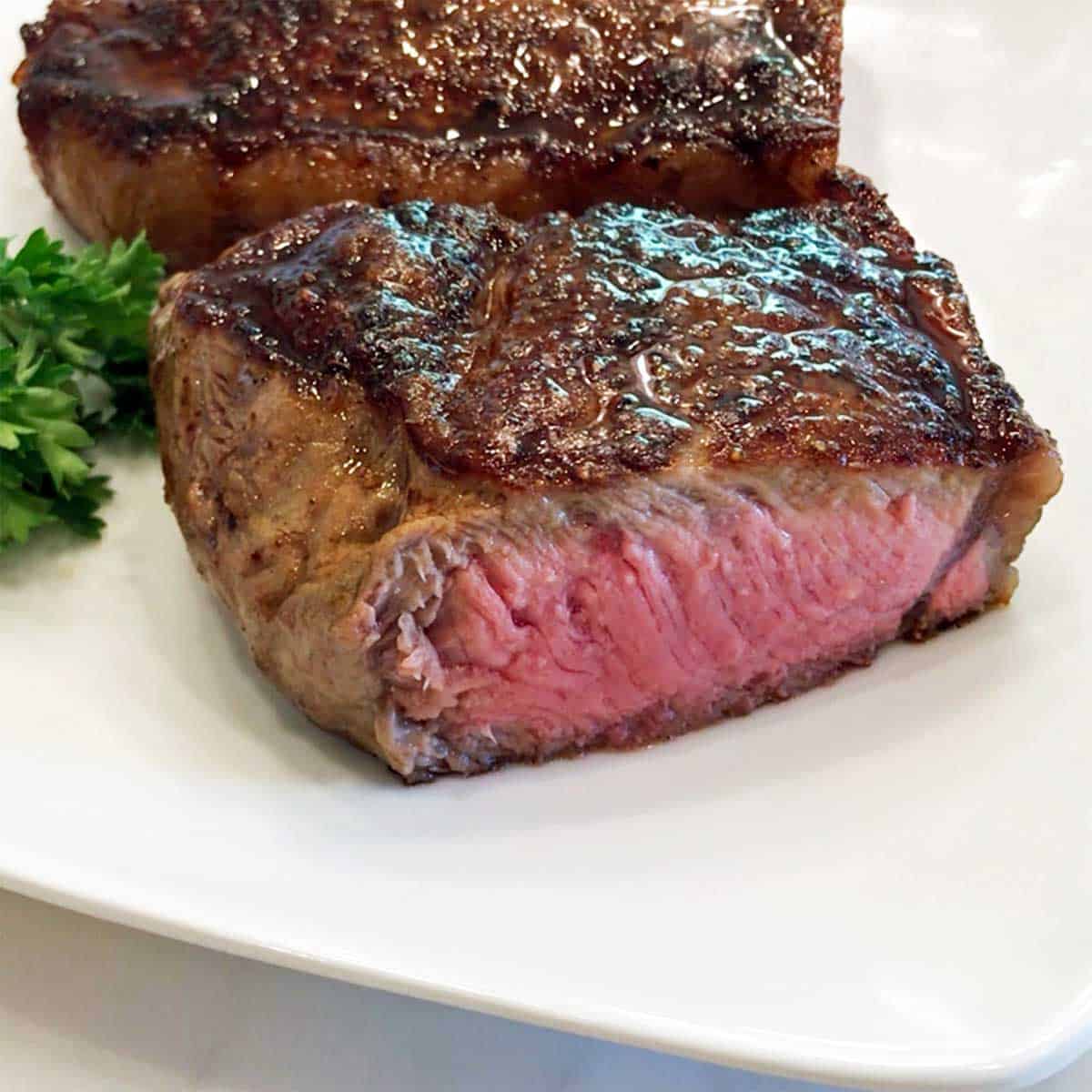
Both are New York Strip steaks. The difference is clear: the one cooked the traditional way has a nice, deep, thick crust. The medium-rare inside is wrapped by a thin layer of gray band - meat that became overcooked because of the searing.
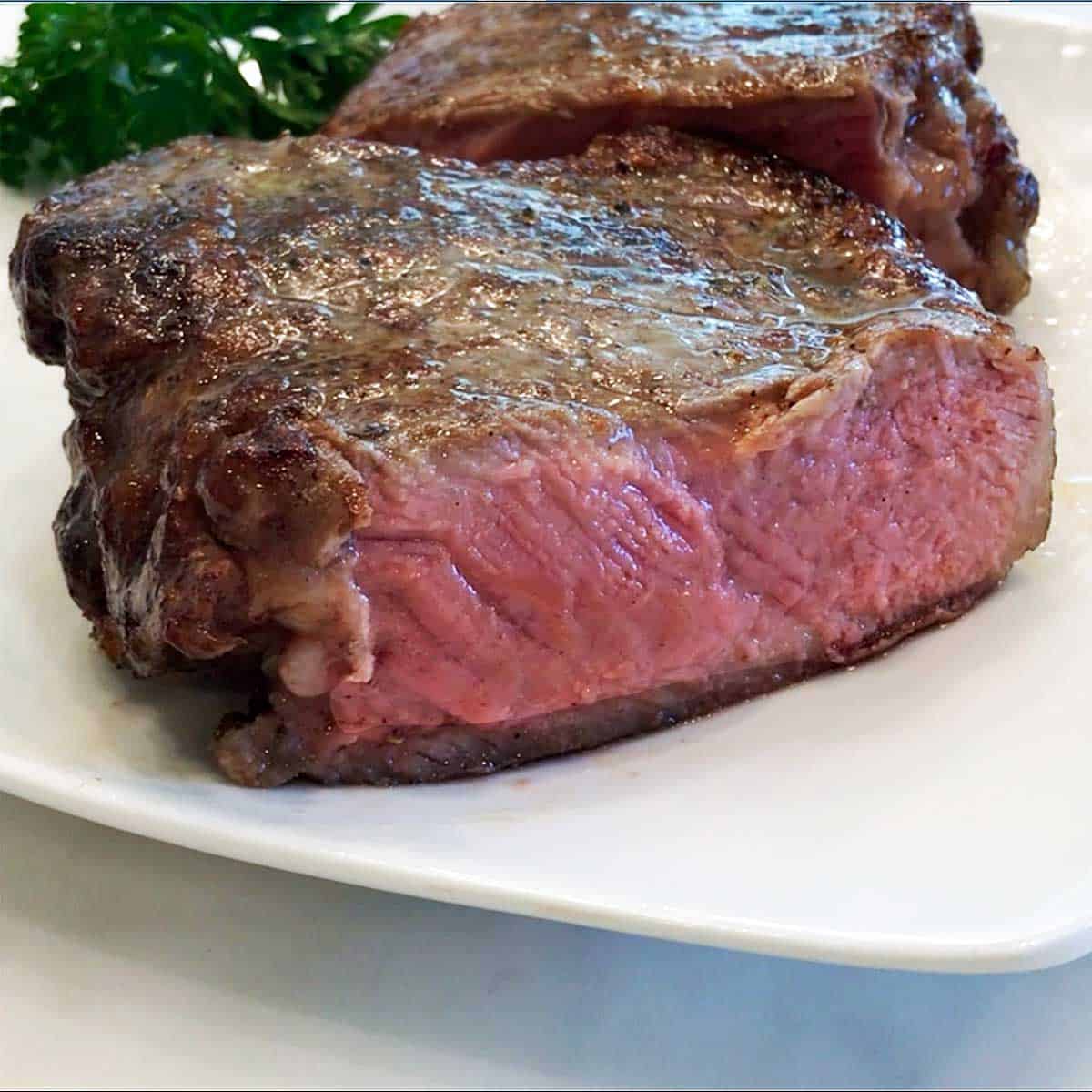
The steak that was reverse-seared is not as browned and crusty. However, the meat inside, also medium-rare, appears juicier and more uniform - it doesn’t have a gray band surrounding it.
For a more elaborate side dish, I recommend green beans almondine, green beans with bacon, or creamed spinach.
If you have sauteed onions or caramelized onions (or if you have the patience to make them), they make an excellent topping for steaks, as do sauteed mushrooms.
You can also slice them and use them cold in a steak salad or lettuce sandwich. That’s my favorite way to use them.